 EN
EN
 DE
DE
 ES
ES
 FR
FR
Overhauled or rebuilt machines - Our specialty since 1983 !
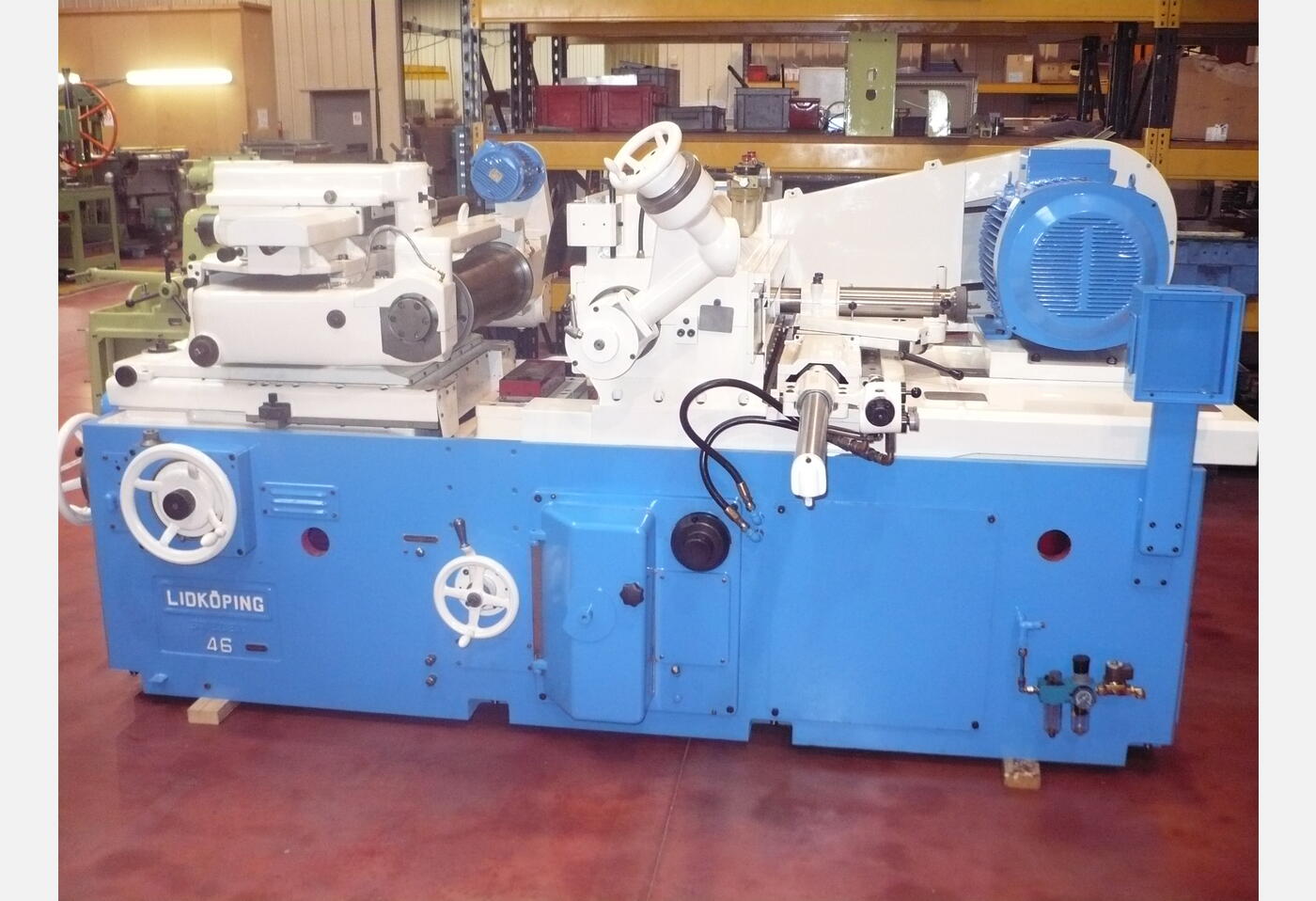
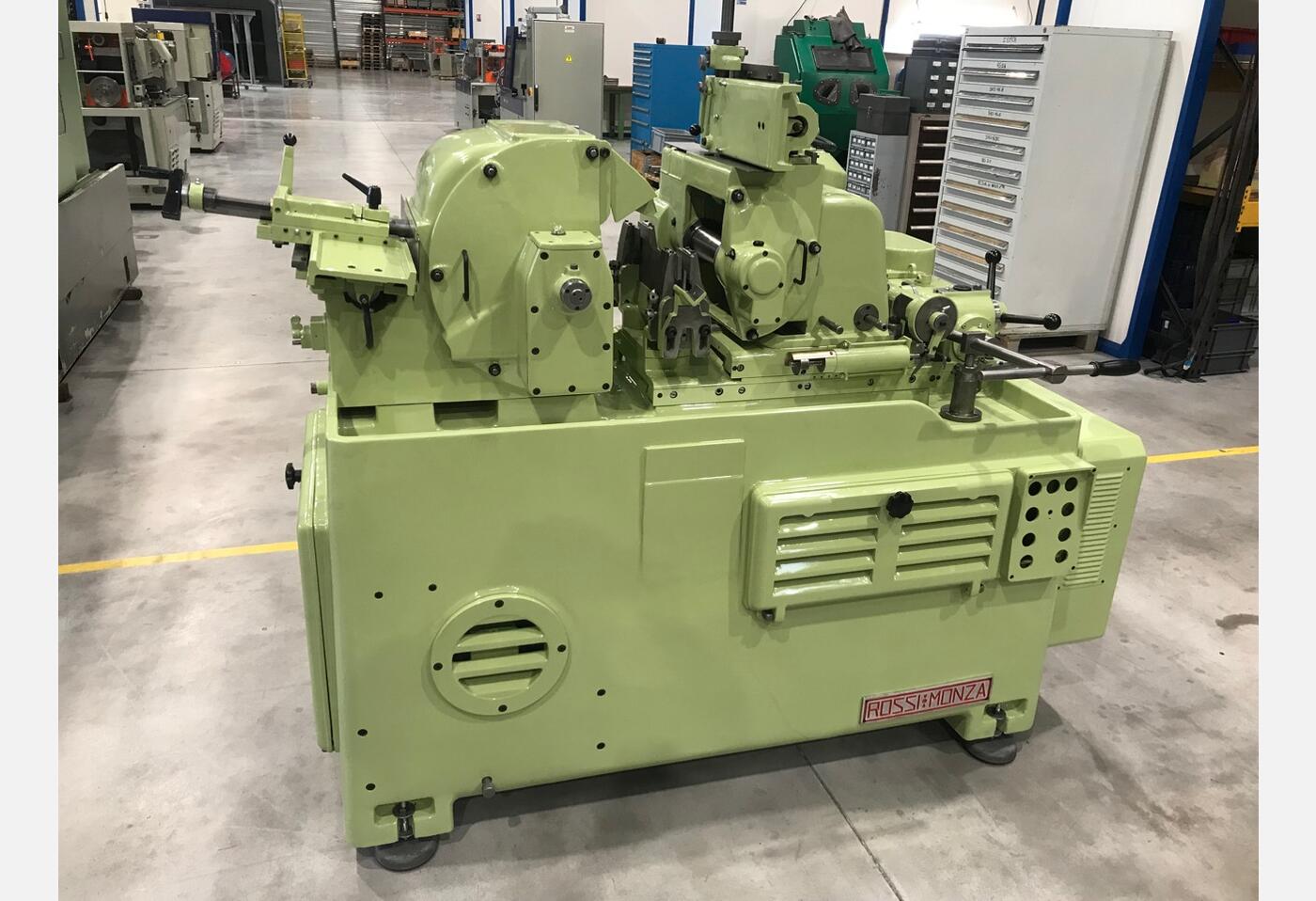
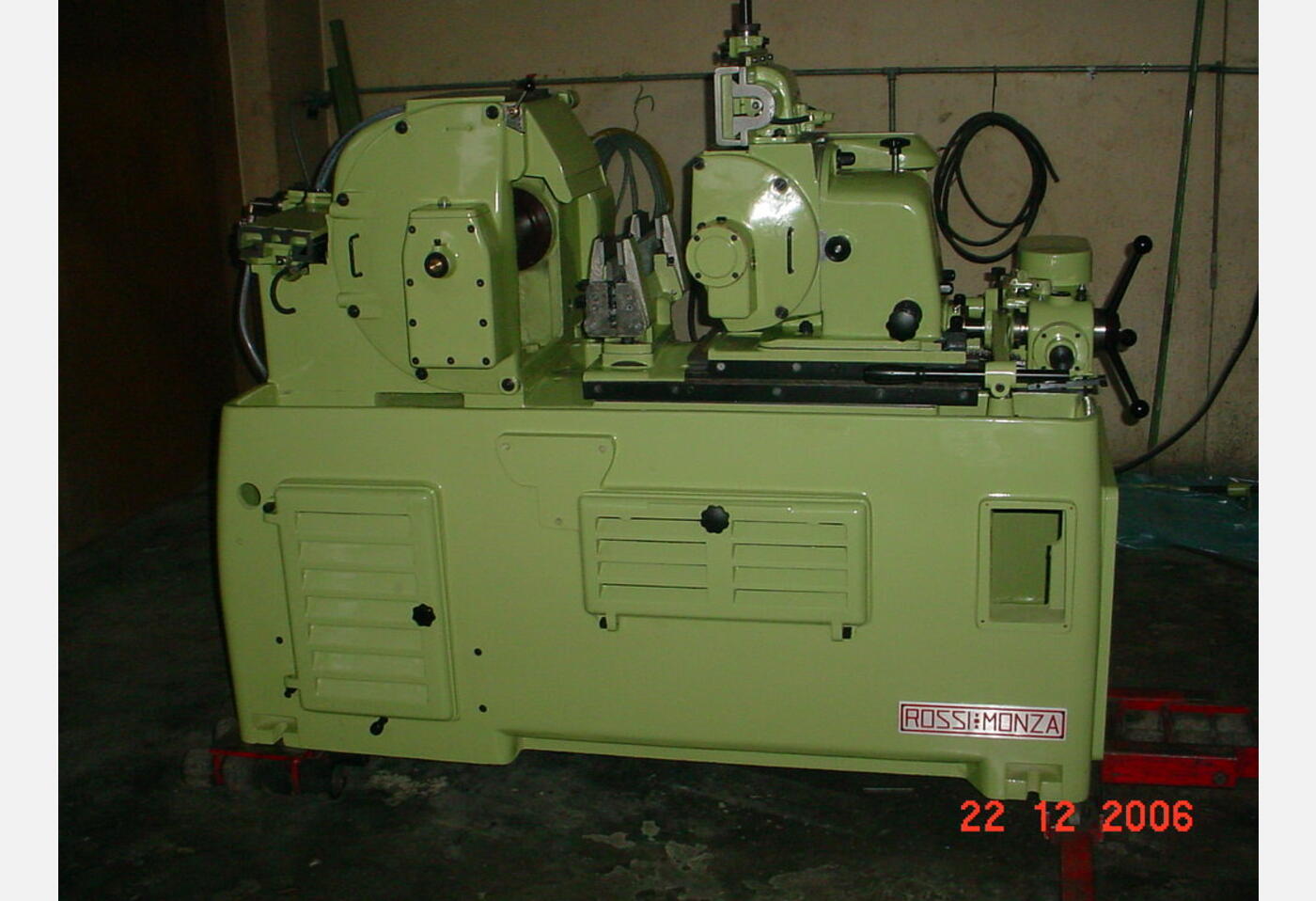
S.A.M.O. is specialized in the reconstruction of automatic multispindle lathes (TORNOS, WICKMAN, GILDEMEISTER, PITTLER,...) Centerless grinding machines (ROSSI, LIDKOPING, STUDER,...). We also intervene on other types of machines and other brands, according to your specifications.
We offer various services for multi-spindle lathes and grinding machines:
All the details of the work done on the revised and rebuilt machines are available on request, do not hesitate to ask us.
S.A.M.O. also keeps in stock all spare parts specific to Tornos automatic multispindle lathes, but also those of other brands.
We offer various services for multi-spindle lathes and grinding machines:
- Machine checked, revised or rebuilt
- Special devices and equipment on multi-spindle lathes: pick-up, tapper...
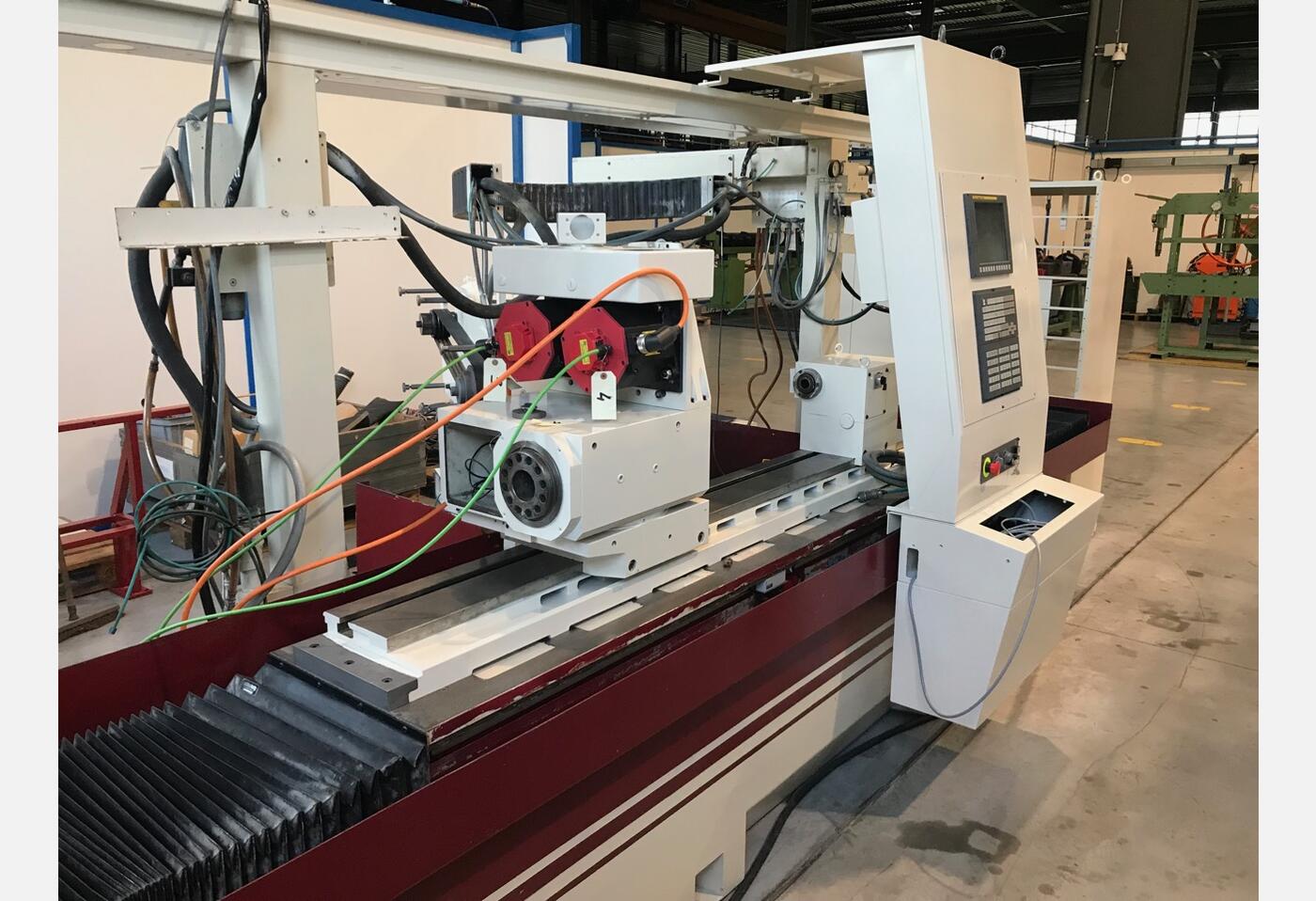
- Digitization, gain in flexibility and reliability ! Speed variation, CNC carriage, CNC pick-up...
- Setting of safety standards
- Definition of the machining process and production set-up of your part on the machine.
All the details of the work done on the revised and rebuilt machines are available on request, do not hesitate to ask us.
S.A.M.O. also keeps in stock all spare parts specific to Tornos automatic multispindle lathes, but also those of other brands.
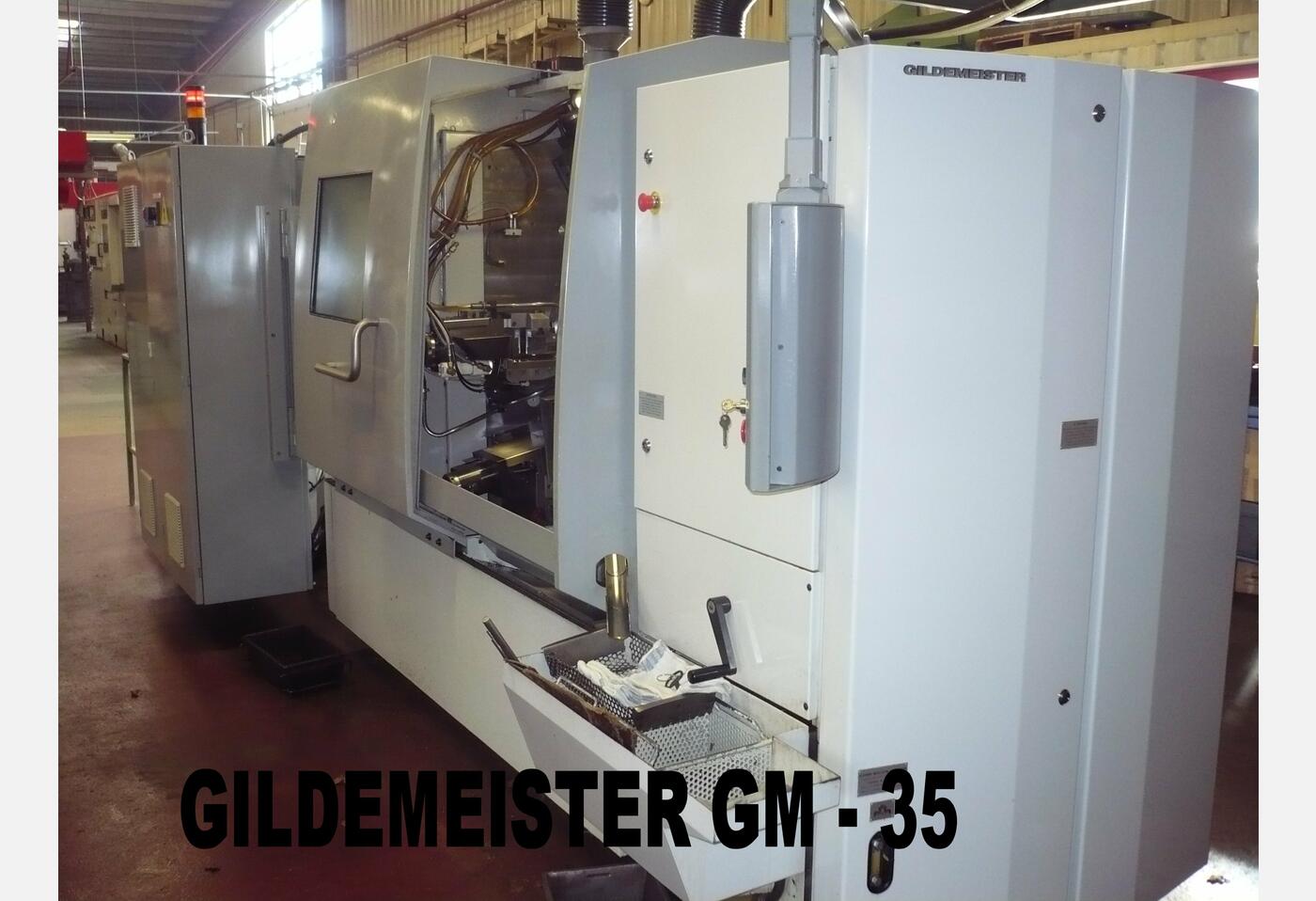
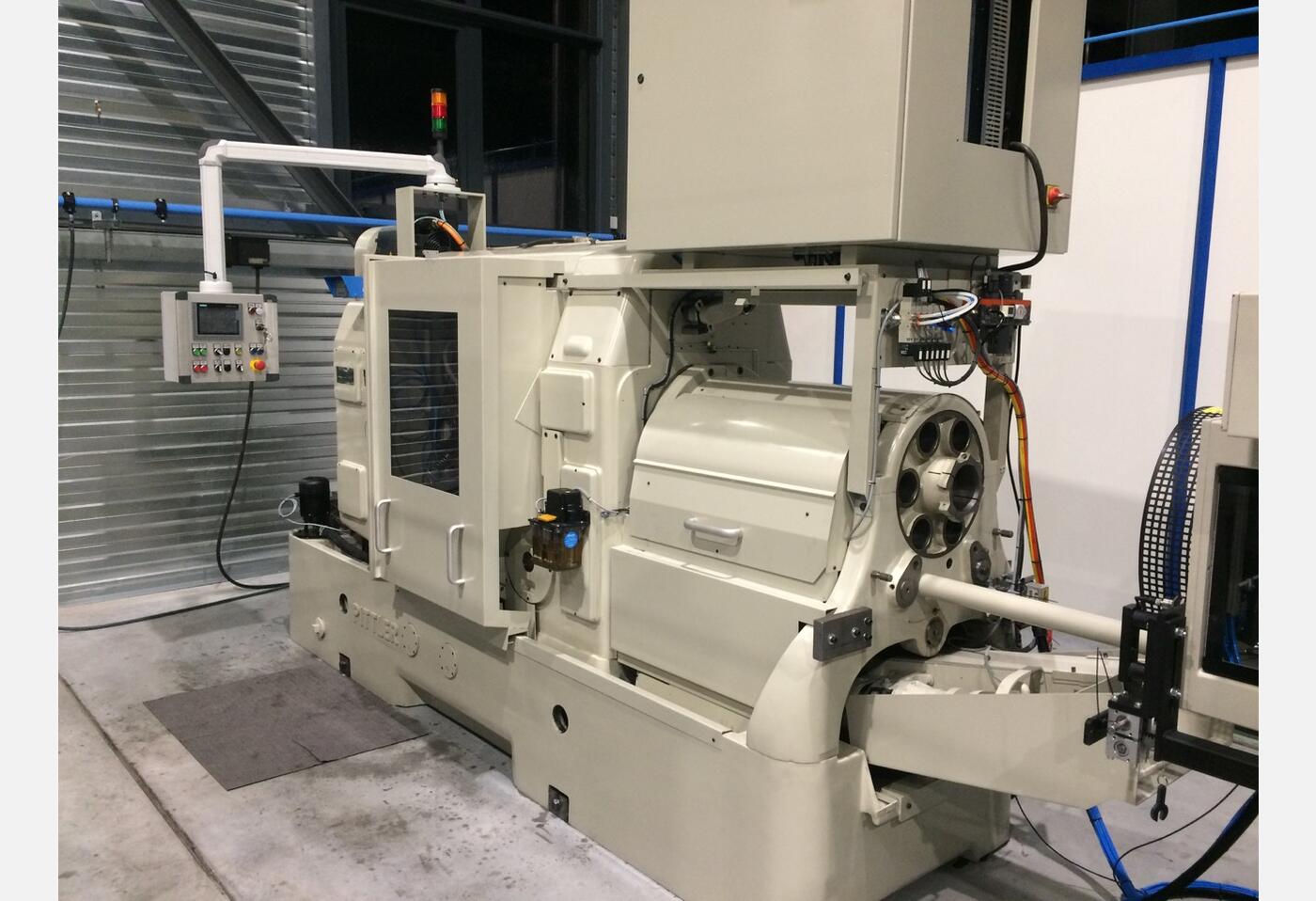
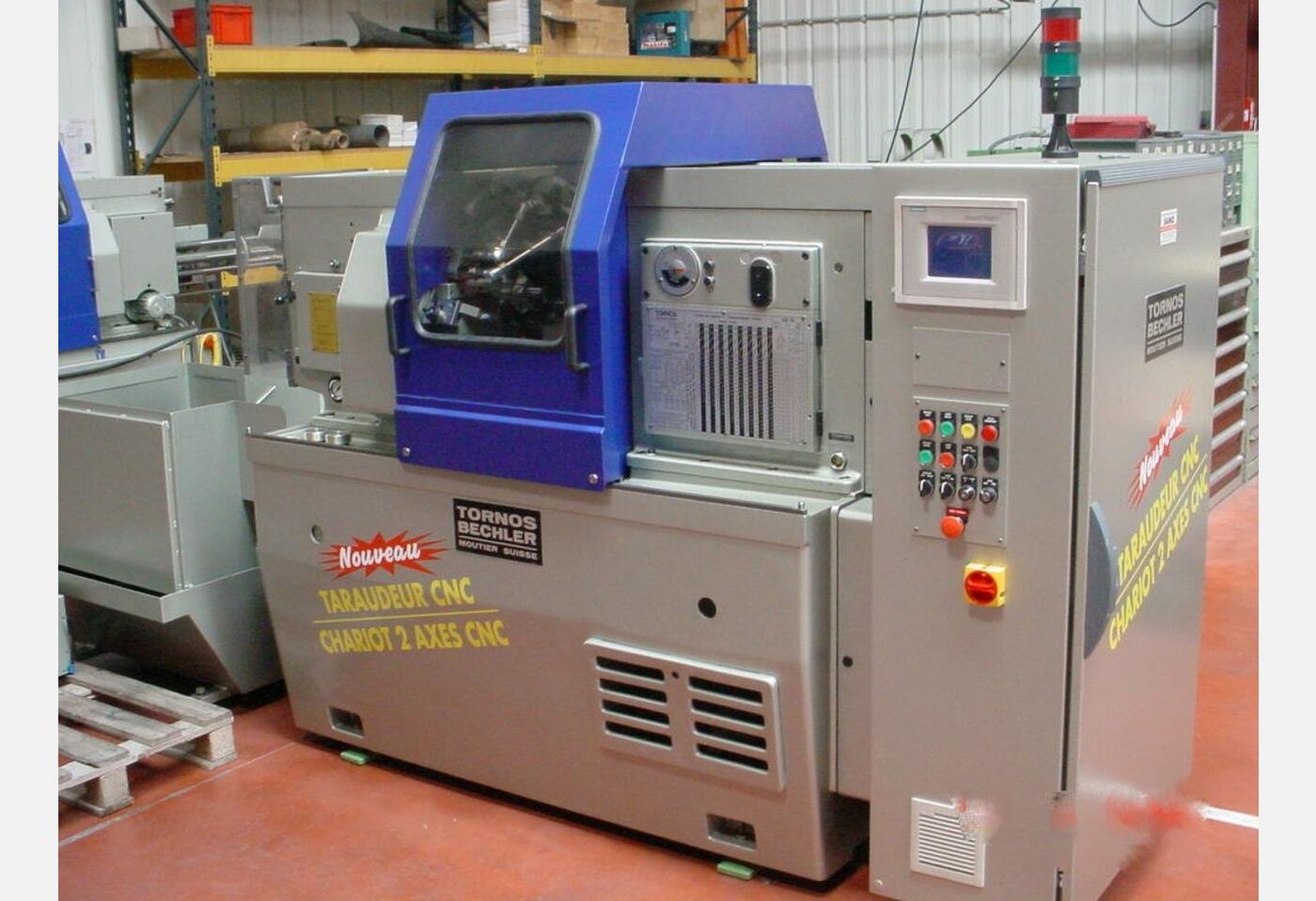
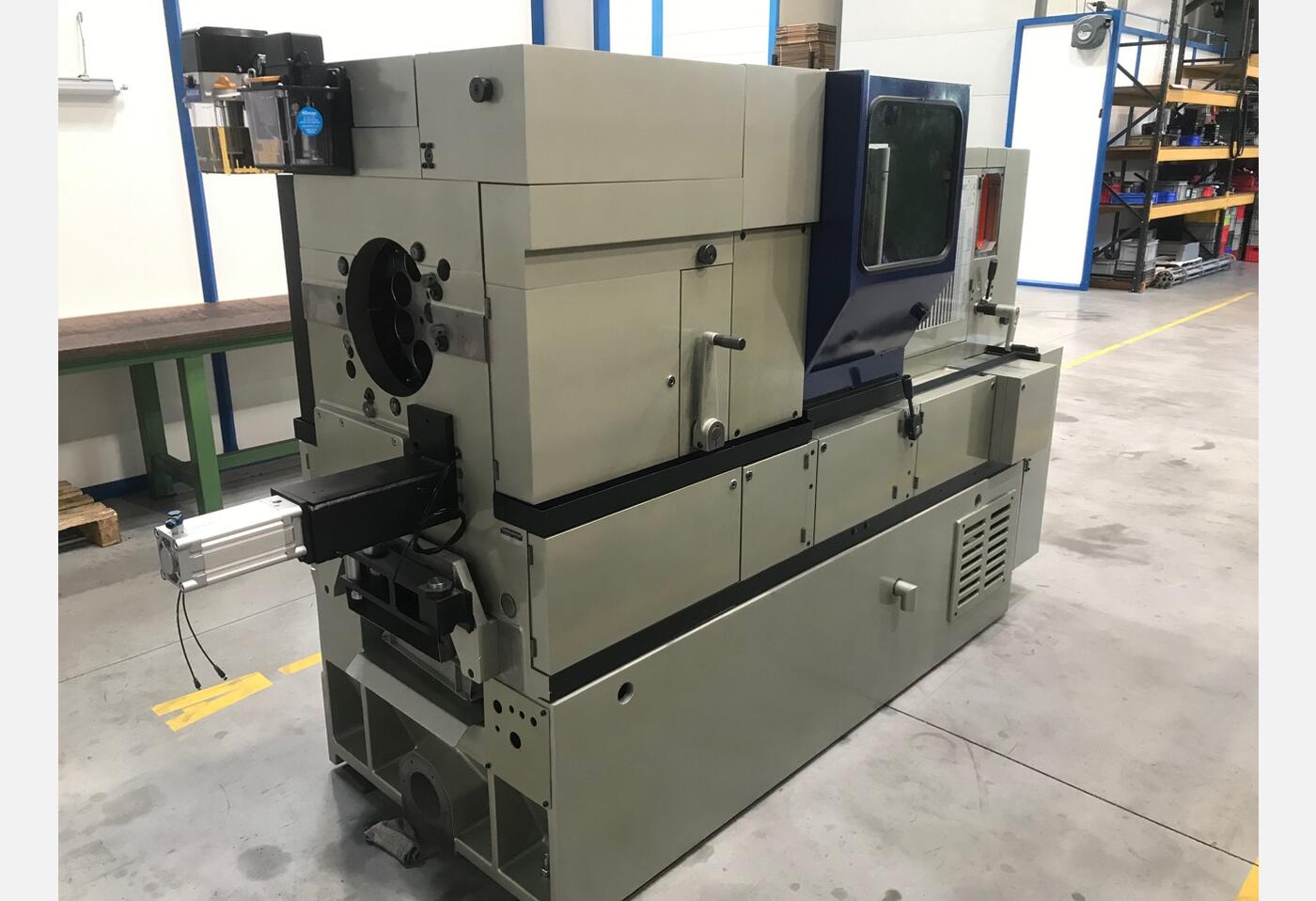
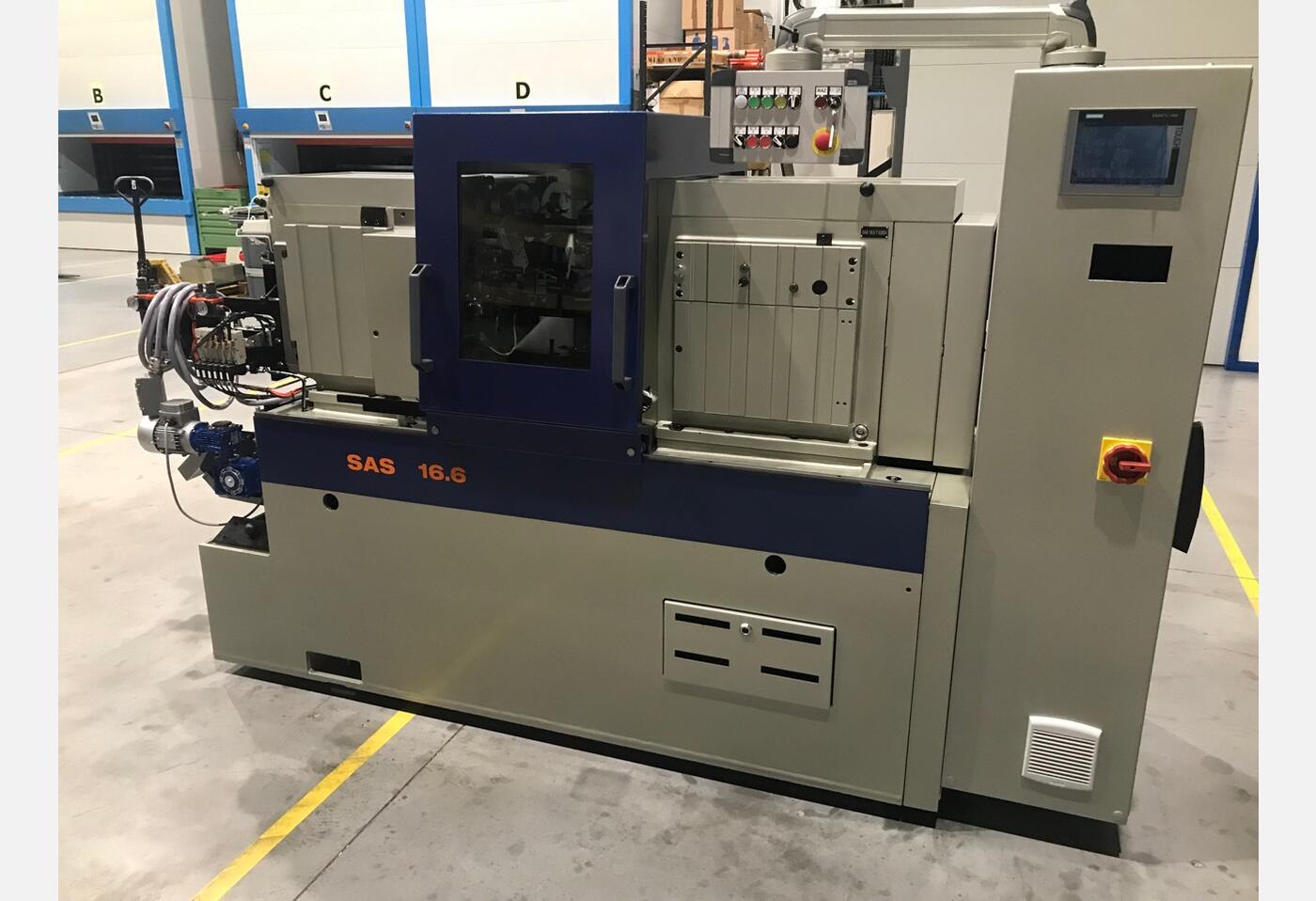
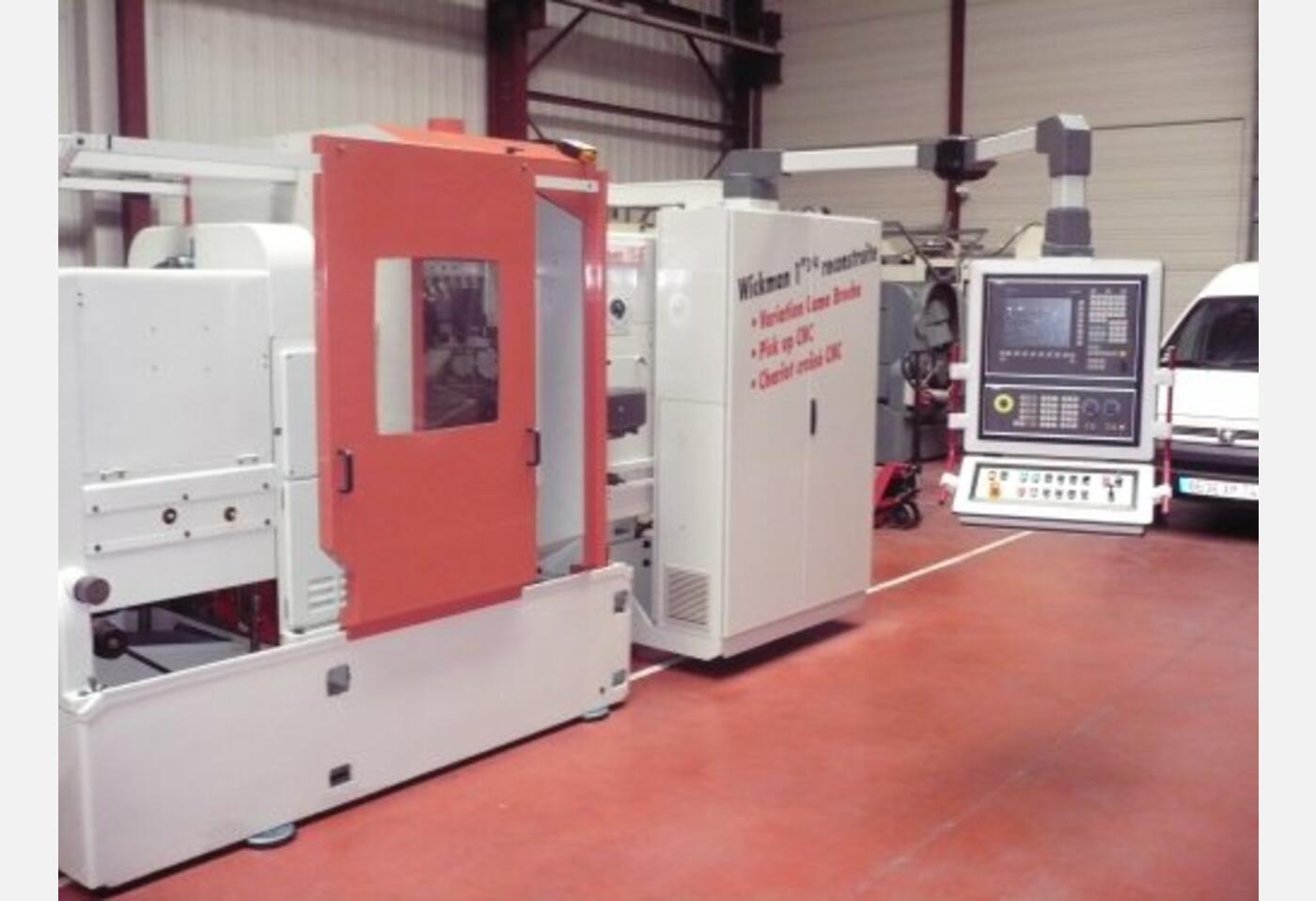
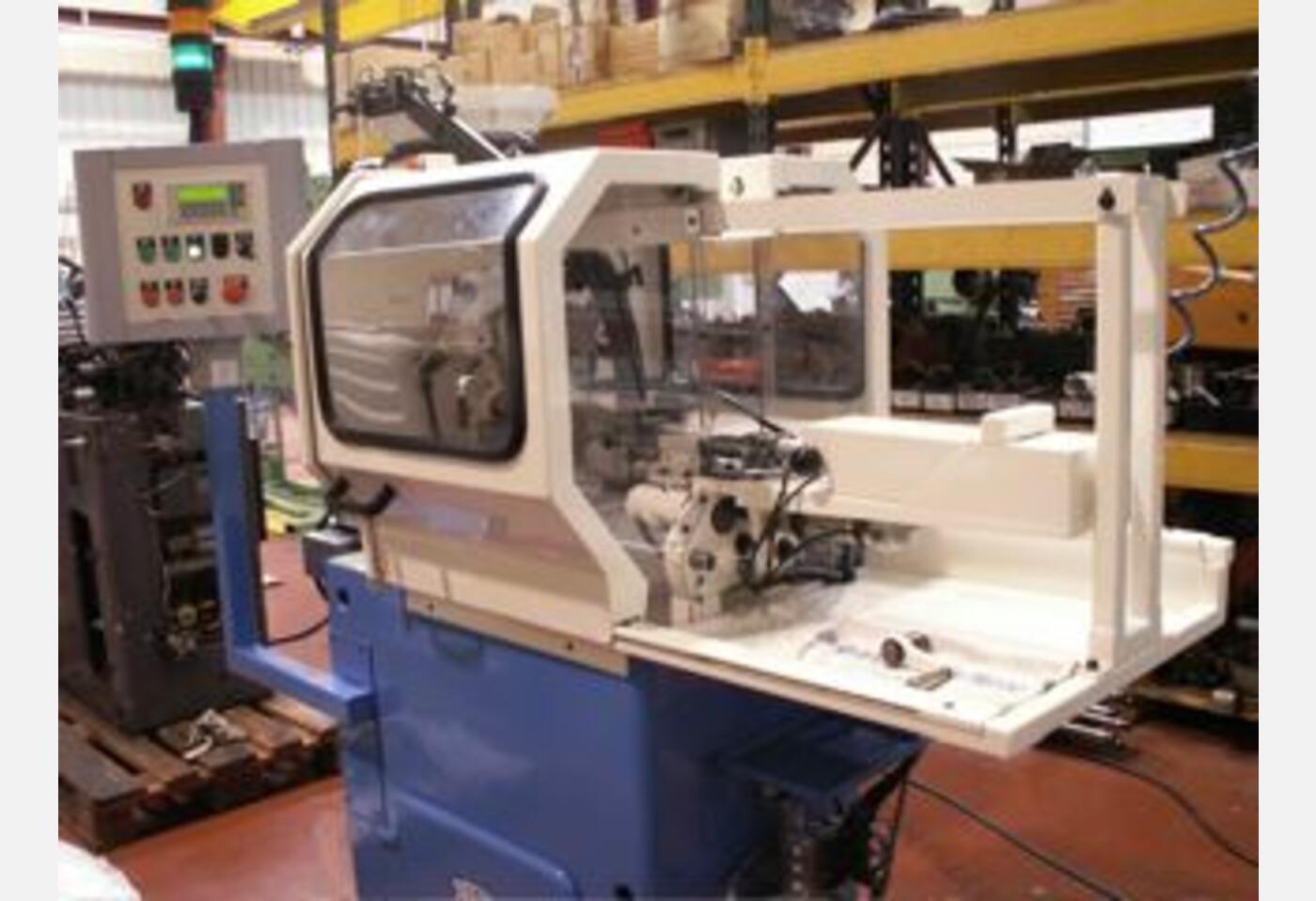
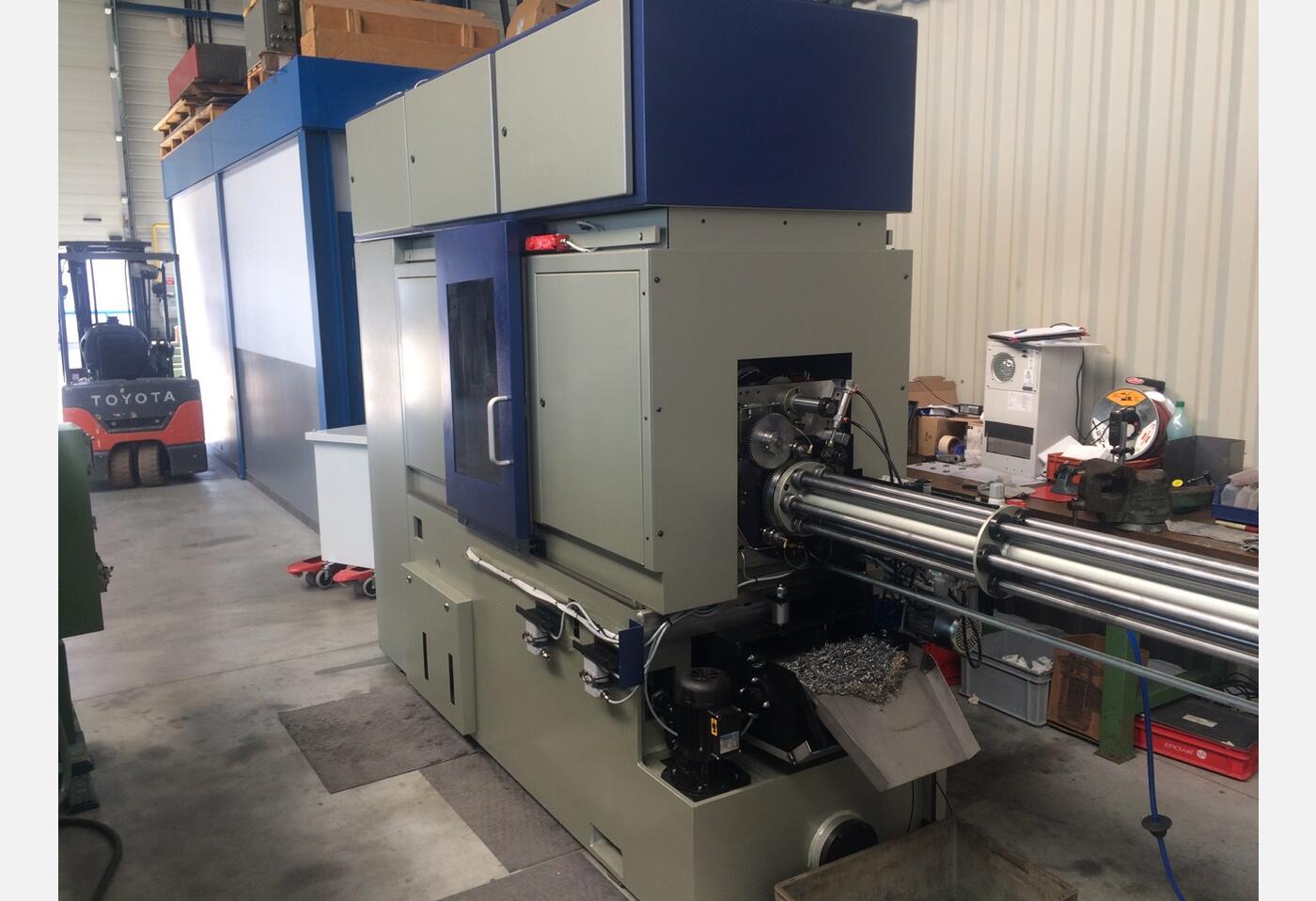
Examples of machine tool reconstruction carried out by SAMO

What are the advantages of rebuilding?
Machine tool rebuilding is the process of modernising and upgrading an existing machine tool. It is also known as refurbishment or retrofitting. The aim of rebuilding is to improve the performance and reliability of the tool. This approach offers a number of economic and efficiency advantages:
- Improved precision: SAMO upgrades essential components, such as axes or control systems. The aim is to improve machine precision for high-precision machining operations.
- Increased productivity: Modernised machine tools are capable of operating at higher speeds. Machining operations are carried out more quickly. Tools make deeper cuts while maintaining consistent quality.
- Reduced downtime: Machine tool rebuilds enable old parts to be replaced with high-quality components. This significantly reduces breakdowns and unplanned downtime. Production is more stable and continuous.
- Control and software upgrades: SAMO's reconstruction service can install modern control and software systems. This enables the integration of advanced functionality such as CNC programming, real-time monitoring, quality management and connectivity to intelligent manufacturing networks.
- Lower operating costs: Modernised machine tools are more energy-efficient. They require less maintenance and repairs, which translates into lower long-term operating costs.
- Adaptability to new requirements: Machine tool rebuilds make it easy to adapt the machine to new requirements. This can include changes to processes, materials or products without having to invest in a new machine.
- Compliance with safety and regulatory standards: Modernising machine tools allows safety features to be updated and industry standards to be met, ensuring a safer and compliant working environment
- Preservation of initial investment: Machine tool rebuilds extend the useful life of the machine, meaning that the initial investment in the machine is preserved. This avoids the need to buy a new machine, which can be very costly.
- Reduced environmental footprint: Modernised machines are often more energy-efficient, reducing electricity consumption and greenhouse gas emissions. This contributes to a smaller environmental footprint for the manufacturing operation.
- Maintaining competitiveness: By modernising their machine tools, companies can remain competitive in the market by offering high-quality products, meeting delivery deadlines and reducing production costs.